
End of Jira Data Center: prepare for the future now!
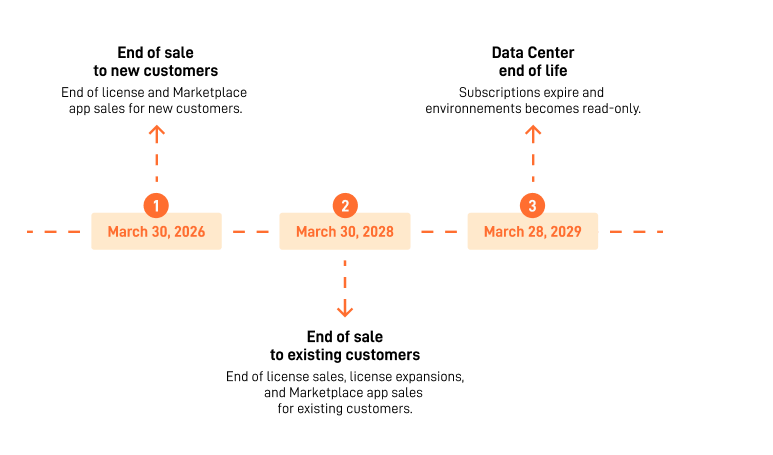
Atlassian has confirmed the end-of-life of Jira Data Center for March 28, 2029.
From that date onwards, Data Center licenses and apps will expire, and only Atlassian Cloud will remain supported. This marks a major turning point for all organizations still using Jira in an on-premise deployment. It is therefore essential to anticipate the transition and start considering a sustainable, secure, and sovereign alternative today.
Choosing the right project management tool can truly transform the way your teams collaborate on a daily basis. Jira and Tuleap are among the most well-known solutions, but they rely on very different approaches.
Atlassian, the publisher of Jira, has announced the end of Jira Data Center for March 28, 2029. After this date, Data Center licenses and apps will expire, leaving Atlassian Cloud as the only supported option.
In sensitive sectors (defense, healthcare, public services, or banking), data security and GDPR compliance are simply non-negotiable. Since Atlassian chose a cloud-only strategy, data control and location have become major concerns. More and more organizations are now seeking a safer, more flexible, and truly sovereign alternative.
Given this situation, one key question arises: which alternative to Jira can genuinely meet your needs?
Discover why Tuleap is a leading alternative to Jira, offering a complete, sovereign, and sustainable solution for your projects.
A strategic turning point for Jira users
Since 2002, Jira has been helping teams manage their projects and track their tasks. The tool, developed by Atlassian, has become a global reference for Agile and DevOps teams.
But the model is changing: in February 2024, Atlassian ended Jira Server and announced the end of Jira Data Center by March 28, 2029.
- On that date, Data Center licenses and Marketplace apps will expire and become read-only.
- New Data Center subscriptions for new customers will end as early as March 2026.
- License renewals and extensions will only be possible until March 2028.
In short, Atlassian is abandoning all on-premise deployment options: Atlassian Cloud becomes the only available path.
Implications for businesses:
- Complete dependence on Atlassian Cloud, often hosted outside the European Union, complicating GDPR compliance.
- Rising subscription costs due to per-user licenses and paid add-ons.
- Reduced flexibility for organizations with strict data security and sovereignty requirements (public sector, healthcare, defense, banking…).
In summary, Jira remains a comprehensive and powerful tool, but its shift to the cloud raises significant questions…
Anticipating the transition: evaluating the real alternatives
Five criteria decide whether a replacement is a safe fit for a team currently on Jira Data Center: hosting and data sovereignty, total cost over three to five years, functional continuity, migration support, and compliance for regulated sectors.
Hosting and data sovereignty
A Data Center license was chosen, in most cases, because the organization needed control over where its data lives. The right alternative should offer both on-premise and cloud hosting, without forcing a move to a vendor-managed cloud as the only path forward.
Total cost over three to five years
Jira Data Center pricing was already tied to user tiers and annual renewals. Any comparison should look beyond the first-year license cost and include infrastructure, migration effort, and training over a three to five year horizon, since that is the period most Data Center customers were planning around.
Functional continuity
Data Center deployments often relied on a stack of add-ons for requirements management, test management, and DevOps integration. An alternative that covers agile planning, requirements traceability, CI/CD integration, and version control natively removes a dependency on third-party plugins that will also need re-licensing.
Migration support
Historical data, comments, and attachments are what most teams are afraid of losing. The alternative should document a clear import path from Jira, and ideally offer support to validate the migration before the old instance is switched off.
Compliance for regulated sectors
Organizations in defense, aerospace, or other regulated industries operate under frameworks such as the French Loi de Programmation Militaire 2024-2030, ANSSI guidance, SecNumCloud qualification, or standards like DO-178C and IEC 61508. For these organizations, hosting location and auditability are not preferences, they are contractual requirements, which narrows the realistic set of alternatives considerably.
What the end of the Data Center model changes
The end of Jira Data Center is not just a commercial shift:
It profoundly transforms the relationship between teams and their tools.
Shifting from a controlled deployment to a 100% cloud service requires rethinking:
- Access governance
- Data location and security
- Level of autonomy of internal administrators
- Long-term total cost of ownership (TCO)
Many public and industrial organizations are already exploring alternatives that allow them to maintain a controlled infrastructure, either in-house or through a trusted hosting provider.
How to prepare in practical terms
To avoid a rushed migration as 2029 approaches, it is recommended to:
- Map the current usage of Jira and its associated plugins.
- Identify the critical processes that depend on the tool.
- Test replacement solutions on a limited scope.
- Assess the costs and risks of the transition over a 3- to 4-year horizon.
- Involve business and IT teams from the study phase.
Some solutions, such as Tuleap, facilitate the import of Jira data (tickets, comments, history, attachments) and allow for a gradual migration without disrupting operations.
Planning your transition? See Tuleap in action.
What Tuleap offers:
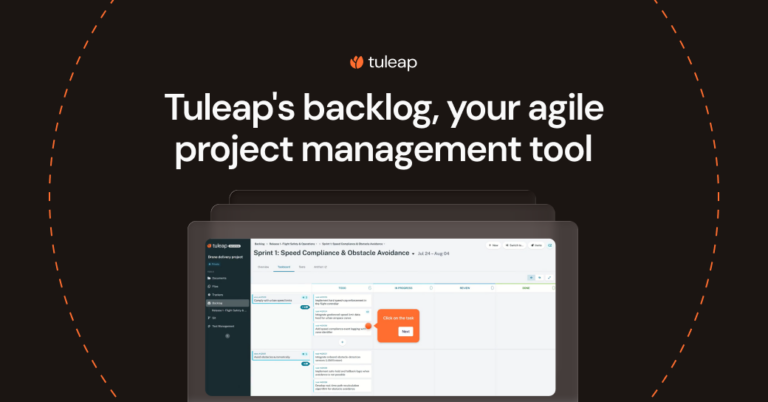
Tuleap, developed by Enalean, is an agile project management solution designed to manage your projects from A to Z.
On a single platform, you can manage:
- Agile management (Scrum, Kanban, Gantt)
- Requirements management
- Traceability
- Continuous integration (CI/CD)
- Version control and document collaboration
With Tuleap, you gain a complete view of the software lifecycle, promoting consistency among your teams and transparency in processes. Most importantly, you choose where to host your data: on-premise or in the cloud. Tuleap ensures data security, reduces dependence on external providers, and guarantees the sustainability of your projects.
Tuleap and Jira Data Center at a Glance
| Criteria | Jira Data Center (post end of life) | Tuleap |
|---|---|---|
| Hosting | No further renewals after March 2028 | On-premise or cloud, customer’s choice |
| Requirements and traceability | Requires third-party add-ons | Native module |
| CI/CD integration | Requires third-party add-ons | Native module |
| Agile planning | Native | Native, Scrum, Kanban, SAFe |
| Data migration from Jira | Not applicable | Import with history, comments and attachments |
👉In short, with Tuleap, your teams stay in control, your data is secure and managed, and your costs finally become predictable.
Compare both solutions and explore Tuleap’s features to find the one that best fits your needs.
Migrating your data from Jira to Tuleap
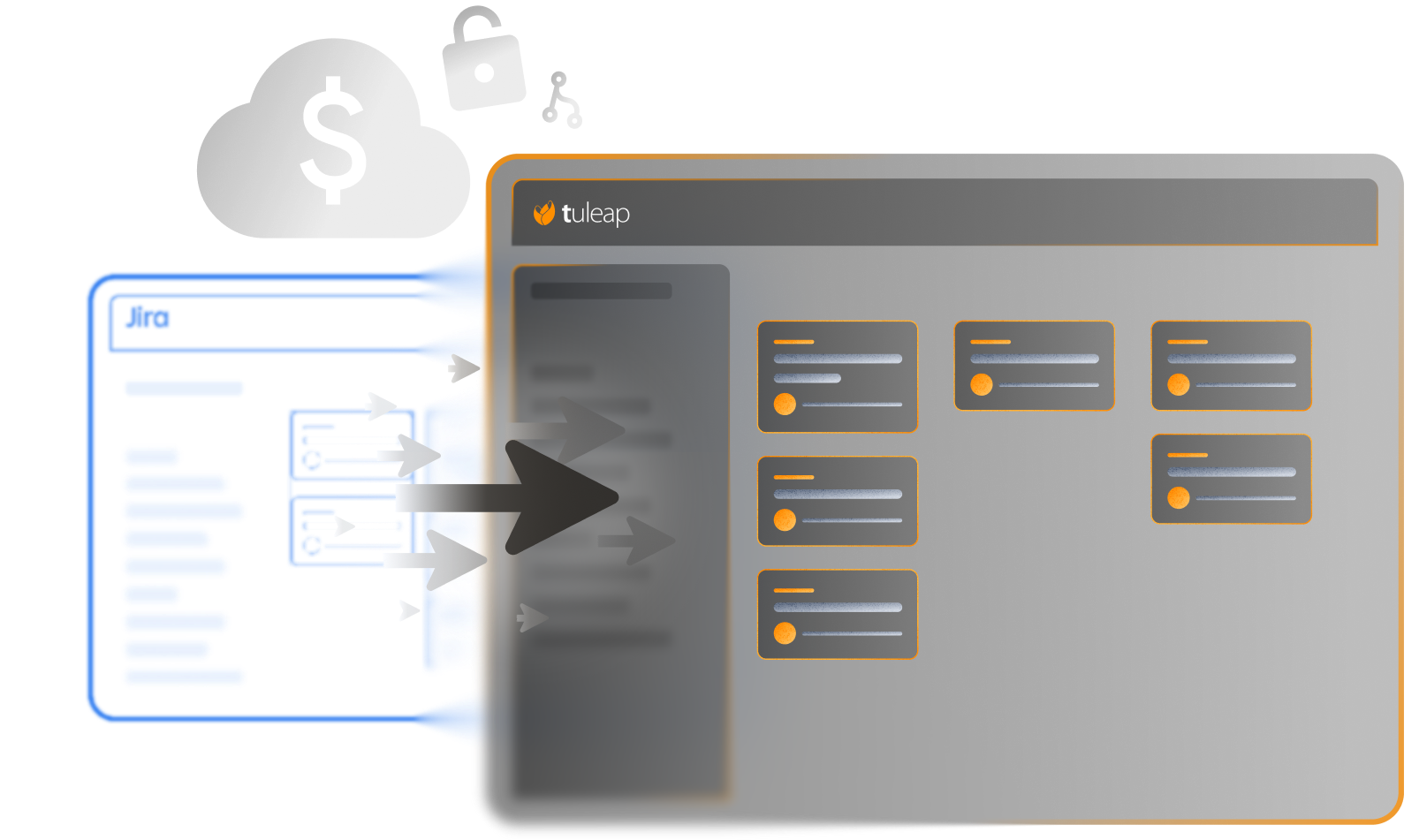
Switch from Jira to Tuleap with ease!
Tuleap makes it simple to migrate your bugs and tickets from Jira, preserving history, comments, and attachments. This import allows you to set up your own workflows and take full advantage of Tuleap’s integrated Agile and DevOps management.
The process takes just a few simple steps, and you can manage one or multiple Jira projects at the same time, depending on your needs.
In summary:
✅ Simple and fast import
✅ History, comments, and attachments preserved
✅ Built-in collaboration and DevOps integration
Conclusion
The end of Jira Data Center isn’t an immediate risk, but it’s a strong signal: the on-premise model is living its final years at Atlassian.
For companies that prioritize control, compliance, and long-term sustainability, now is the time to consider solutions that offer greater technological freedom.
Platforms like Tuleap are among them, but the choice will ultimately depend on your company’s strategy and internal requirements.
Prepare your projects for the future today with Tuleap: the solution that puts your teams back in control.
Anticipating today means securing tomorrow’s projects.
Frequently Asked Questions
About the end of life of Jira Data Center and how to plan your move away from it.
When does Jira Data Center reach end of life?
Atlassian has confirmed that Jira Data Center support ends on March 28, 2029. New subscriptions stopped in March 2026, and license renewals stop in March 2028.
What happens if we do not migrate before 2029?
After March 28, 2029, Jira Data Center no longer receives support or security updates, which leaves the deployment unsupported and increasingly out of step with compliance requirements in regulated sectors.
What does it cost to move away from Jira Data Center?
The cost depends on licensing for the new platform, infrastructure if self-hosted, the effort to migrate historical data, and training. Comparing alternatives over a three to five year horizon gives a more accurate picture than comparing first-year list prices alone.
How is data preserved when migrating from Jira?
A migration to Tuleap imports issues along with their history, comments, and attachments, so teams keep their project record intact instead of starting from a blank instance.
What hosting options remain once Data Center is retired?
Teams that valued Data Center for its on-premise control can choose a platform like Tuleap that still offers on-premise hosting, alongside a cloud option, instead of being limited to a single vendor-managed cloud.